

Jumbo Raisin (Mavis)
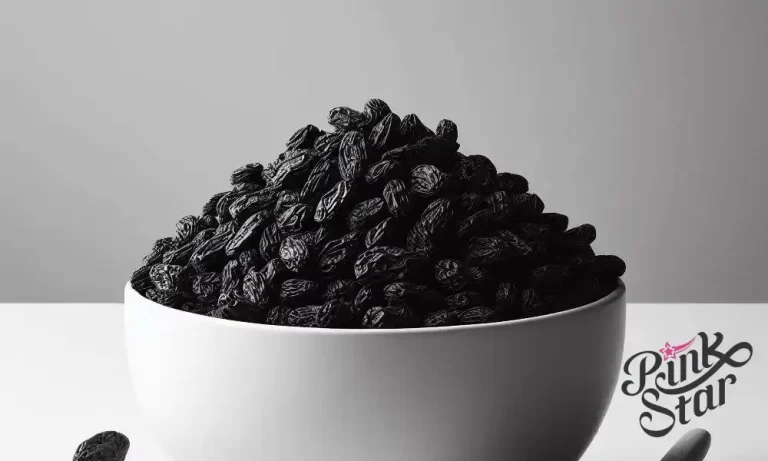
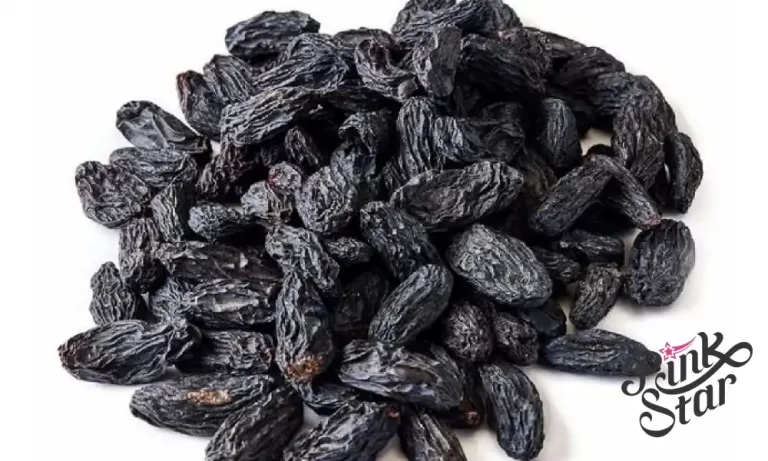
If you’ve sourced dried fruit before, you know that “jumbo” gets thrown around loosely. With Mavis raisins, it actually means something: these are among the largest black raisins produced in Iran, averaging around 250–300 berries per 100 grams, with a deep, almost blue-black color and a chewy bite that’s noticeably different from standard sun-dried raisins. They’re made from Shahani grapes, grown in Iran’s traditional raisin-producing regions, and dried without any added sugar, oil, or preservatives.
This page covers what actually matters if you’re buying: where the grapes come from, how the raisins are graded, what they cost, and how to get a sample before you commit to a container load. If you’re comparing colors and styles, our Golden Raisins and Long Golden Raisin pages cover the lighter, milder side of the range.
Jumbo Raisin (Mavis) Nutrition Facts (per 100 grams)
One consolidated table — sourced from standard USDA raisin nutrition data, adjusted for the Mavis black raisin profile. Ask your supplier for a certificate of analysis if you need lab-verified figures for labeling purposes.
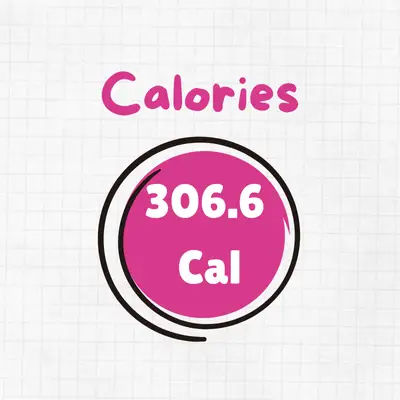
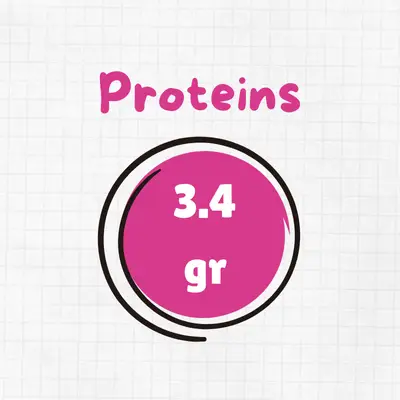
Total Fat | 0.5 g | Calories | 300 |
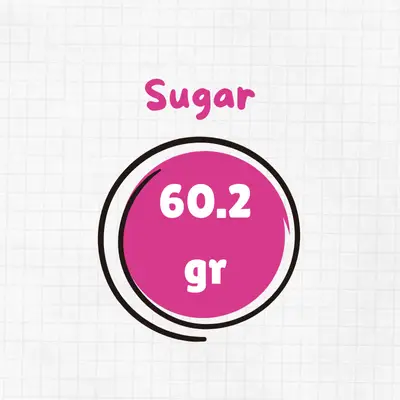
Saturated Fat | 0.015 g | Sugar | 60 g |
Monounsaturated Fat | 0.019 g | 3 g | |
Polyunsaturated Fat | 0.04 g | Calcium | 53 mg |
Cholesterol | 0 | Sodium | 12 mg |
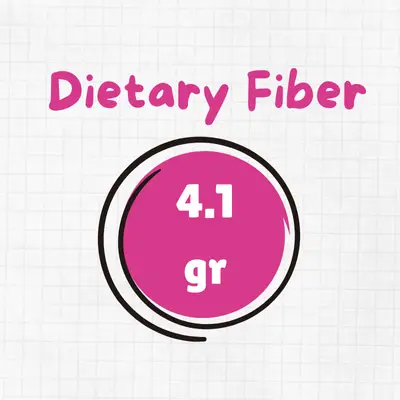
Dietary Fiber | 4 g | Potassium | 746 mg |
Iron | 1.80 mg | Total Carbohydrate | 76.5 g |
Mavis raisins are naturally cholesterol-free and gluten-free, and they carry a decent iron and potassium load for a snack food — which is part of why they show up so often in health-food and granola formulations, not just traditional Persian cooking.
Jumbo Raisin (Mavis) :Everything Importers Need to Know About Black Dried Jumbo Raisins
What Makes Mavis Raisins Unique?
Mavis raisins are derived from Shahani grapes, a variety grown predominantly in the fertile vineyards of Iran. These raisins are recognized for their dark black color, chewy texture, and natural sweetness. black jumbo raisins large size—averaging 250 to 300 raisins per 100 grams—makes them visually appealing and ideal for retail packaging or direct consumption.
Unlike common raisins, Mavis varieties are sun-dried or shade-dried without added sugars or preservatives, allowing them to retain their
natural nutrients and deep, rich taste.
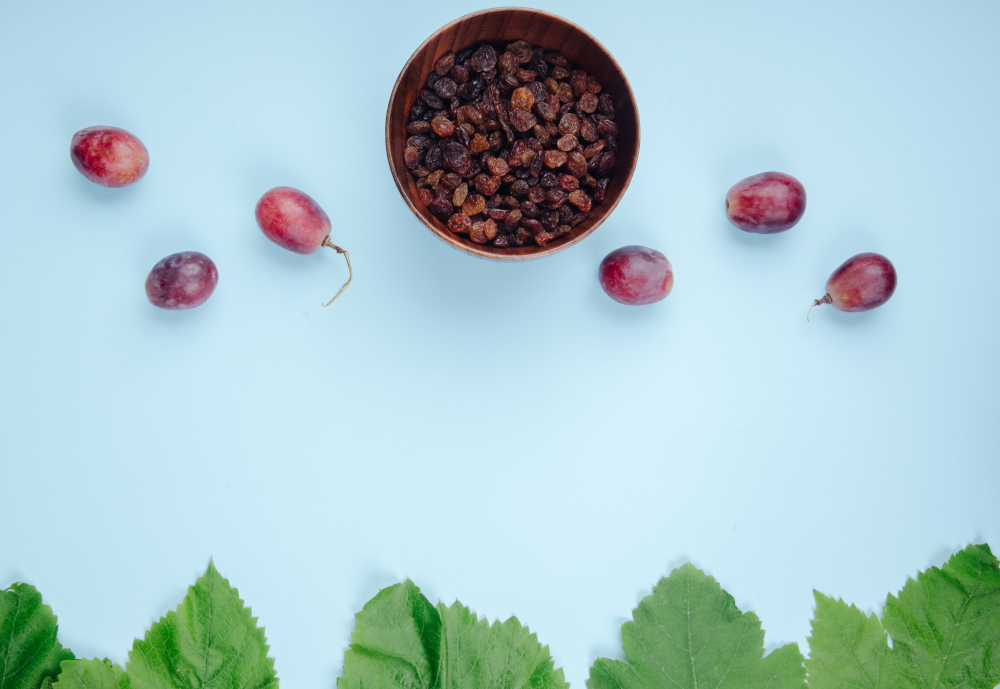
black raisins
Why Choose Jumbo Mavis Raisins for Export?
Dried jumbo raisins like Mavis offer higher ROI for importers due to their visual appeal, larger size, and longer shelf life. Compared to standard black raisins, Mavis are hand-picked, naturally dried, and go through strict quality control—making them ideal for international markets, especially in the Middle East, Europe, and North America. Buyers who are interested in alternative varieties may also consider Sultana Dark Raisins for a slightly lighter color but similar sweetness.
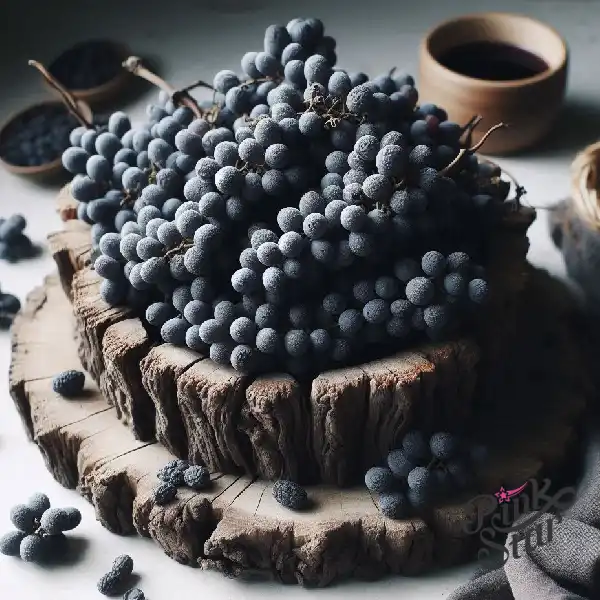
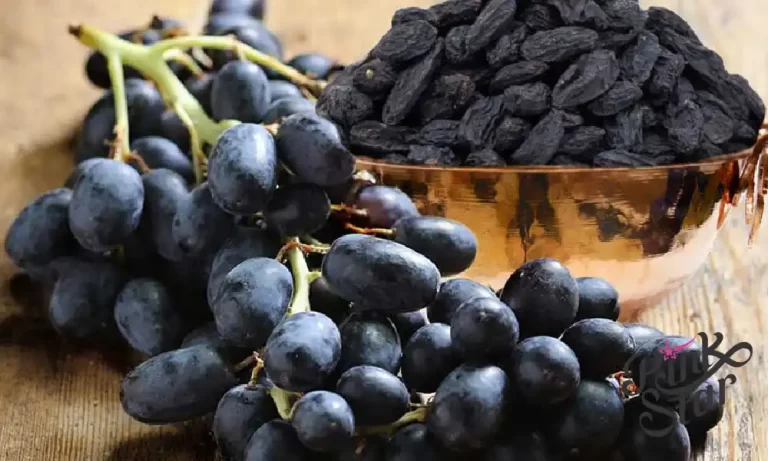
Harvesting black Grapes
How Are Mavis Raisins Produced?
Harvesting: Grapes are harvested at peak ripeness to ensure maximum sugar content and optimal texture.
Drying Process: Depending on the producer, grapes are dried either under direct sunlight or in shaded environments to preserve color and flavor. Shade-drying is especially preferred for retaining antioxidants and reducing heat-related nutrient loss. A comparable method is used for Sultana Light Raisins to maintain their pale, golden hue while keeping them naturally sweet.
Sorting and Grading: Once dried, the raisins undergo rigorous sorting. They are categorized into grades like AAA, AA, and A based on size, moisture, and appearance.
Packaging: Processed raisins are packed in moisture-resistant cartons, typically in 5kg, 10kg, or 12.5kg formats. Custom packaging options are also available for private labels.
Grading & Quality Standards of Jumbo Mavis Raisins for Exporters
Mavis raisins adhere to internationally accepted grading criteria. Top-tier products (AAA grade) are free from foreign matter, exhibit uniform color, and contain minimal defects. Moisture content is generally maintained between 13% to 16% to preserve texture and extend shelf life.
According to the International Nut and Dried Fruit Council (INC), adherence to HACCP, ISO, and other certifications greatly boosts buyer confidence, especially in regulated markets such as the EU and North America.
For those interested in premium green varieties, Green Long Raisins provide a vibrant alternative with similar nutritional value.
Grading Standards
| Grade | Characteristics | Typical Moisture | Best For |
|---|---|---|---|
| AAA | Uniform size, minimal defects, best color consistency | 13–14% | Premium retail packaging, private label export |
| AA | High quality with minor size variance | 14–15% | General export, food manufacturing |
| A | Standard export-grade | 15–16% | Bulk/industrial use, blending |
Reputable exporters will hold certifications like ISO 22000, HACCP, HALAL, and BRC. If a supplier can’t produce these on request, that’s worth flagging before you sign anything — especially if you’re shipping into the EU or North America, where documentation gets checked closely at customs.
Nutritional Profile of Mavis Raisins
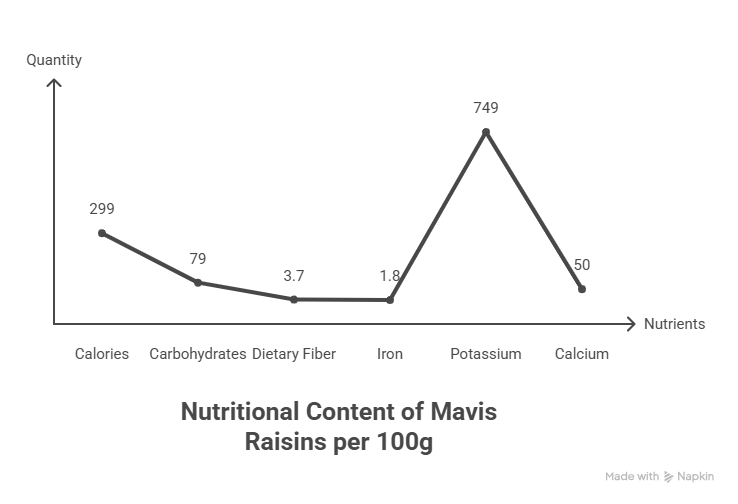
Per 100 grams, Mavis raisins typically contain:
- Calories: 299 kcal
- Carbohydrates: 79 grams
- Dietary Fiber: 3.7 grams
- Iron: 1.8 mg
- Potassium: 749 mg
- Calcium: 50 mg
These raisins are naturally cholesterol-free, gluten-free, and rich in antioxidants. Their iron and potassium content make them valuable in health-conscious product lines. Similarly, Sun-Dried Raisins offer natural sweetness and antioxidant benefits, making them another strong choice for health-focused buyers.

Mavis Raisin Price
Here’s the honest answer: there isn’t one fixed number, and any page that gives you a flat “$X per kg” price is either outdated by the time you read it or oversimplifying. Raisin pricing moves with the exchange rate, the size of that year’s harvest, the grade you’re ordering, your order volume, and whether you’re buying FOB or CIF.
That said, to give you a realistic ballpark: export-grade black raisins out of Iran have generally traded somewhere in the $2–$4 per kg FOB range over the past couple of seasons, with premium jumbo grades sitting toward the higher end of that band. Golden raisins, for comparison, can run higher — up to roughly $5.5/kg for top grades. These numbers move, sometimes by season, so treat them as a starting point for budgeting rather than a quote.
The better move: request a current quote directly, with your target grade, volume, and destination port. Most suppliers will also send a free sample before you commit to a bulk order — always worth asking for one.
[Request Today’s Price → +98 935 781 8868
info@raisiniran.com]
Storage and Shelf Life Considerations for jumbo raisins
To maintain quality, Mavis raisins should be stored in a cool, dry place—ideally below 5°C. Under optimal conditions, they remain fresh for up to 18 months. Vacuum sealing or nitrogen flushing during packaging can further extend their shelf life.
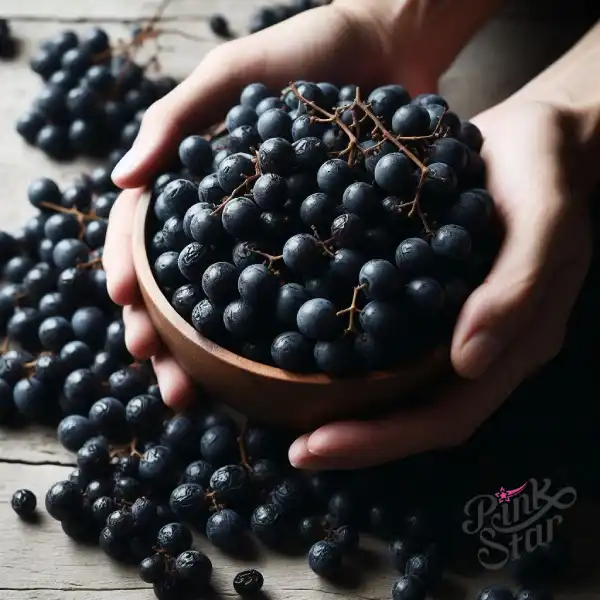
Export Insights and Supplier Background
Iran remains one of the world’s top exporters of black raisins, including Mavis types. Companies engaged in export often hold certifications such as ISO 22000, HALAL, and BRC to ensure global compliance.
Partnering with reputable Iranian exporters can provide a consistent supply chain, competitive pricing, and transparency in documentation, logistics, and customization.
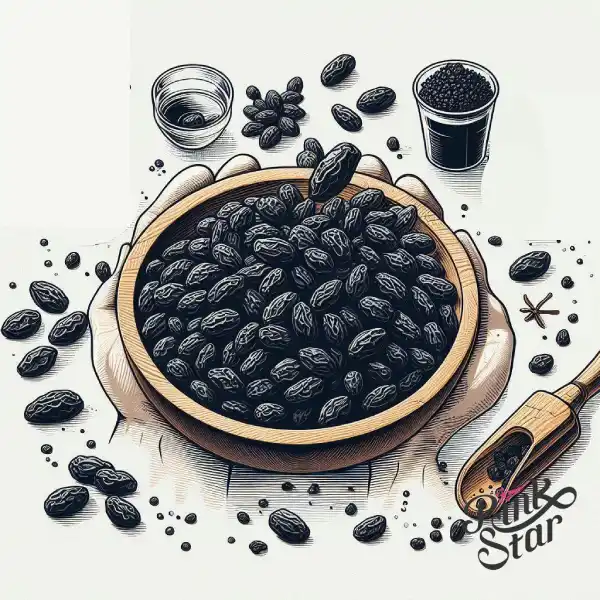
Table: Export & Bulk Ordering Options
| Packaging Size | Units per Box | Storage Conditions | Shelf Life |
|---|---|---|---|
| 5 kg | 20 | Cool, dry place | 12 months |
| 10 kg | 12 | Refrigerated recommended | 18 months |
| 25 kg | 4 | Cool, dry warehouse | 24 months |

Industrial and Culinary Applications of Mavis
Mavis raisins are ideal for:
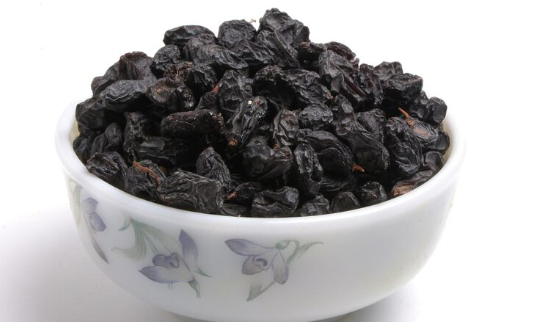
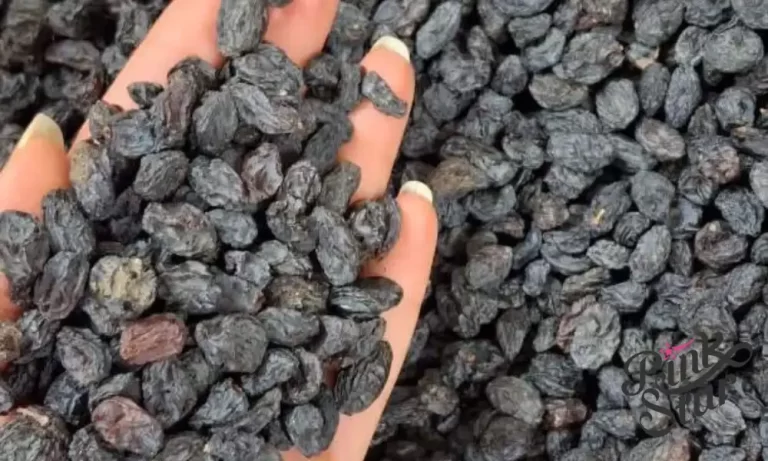
Black raisins in a bowl
- Breakfast cereals and granola
- Snack bars and trail mixes
- Baking: muffins, cakes, and bread
- Dairy products: yogurts and ice creams
Their texture and flavor make them a favorite for gourmet and health food sectors.
How to Place Bulk Orders for black raisins
Buyers interested in sourcing Mavis raisins can contact verified suppliers through trade portals, attend international food expos, or directly liaise with exporters via their websites. Requesting samples and product specifications is recommended before finalizing long-term agreements. For a reliable source and more information on bulk purchases, visit PinkStar.
Frequently Asked Questions
1. Are Dried Jumbo raisins seedless?
Yes, they are seedless and suitable for both snacking and industrial use.
2. Where are Black Jumbo raisin grown?
Primarily in Iran, especially in regions with dry, sunny climates ideal for grape cultivation.
3. How are Mavis raisins dried?
They can be sun-dried or shade-dried, with the latter retaining more nutrients.
4. What packaging sizes are available?
Common options include 5kg, 10kg, and 12.5kg cartons. Custom packaging is also offered.
5. What is Jumbo Raisin shelf life?
Up to 18 months under proper storage conditions.
6. Do black raisins require refrigeration?
Cool storage below 5°C is recommended but not mandatory.